Methyl Acrylate

Methyl Acrylate

Our acrylic acid esters are sold all over the world. The normal delivery time after placing an order is 10-15 days. We can deliver the goods to customers quickly and safely, and have won praise from customers.
Send Inquiry
Product Introduction

Custom-Made To Specifications


 Purity   inhibitors content   impurities content   furfural content   free acid content

 
Why choose KAITAI


Rich Experience:Since established in 2004, we have focused on acrylate products for nearly 20 years and currently have more than 1,000 employees, including more than 100 R&D personnel.

Quality Assurance:We are one of the largest acrylic acid and acrylic ester manufacturers in China. The company has passed ISO9000 international quality certification and ISO 14000 environmental management system certification.

Professional Service:The service staff is online 24 hours a day, responding quickly and paying attention to each buyer's needs. We will try our best to meet the needs of most buyers, and there is no minimum order quantity.

Fast Delivery:Our acrylic acid esters are sold all over the world. The normal delivery time after placing an order is 10-15 days. We can deliver the goods to customers quickly and safely, and have won praise from customers.

What is Methyl Acrylate

Methyl acrylate is an organic compound, more accurately the methyl ester of acrylic acid. It is a colourless liquid with a characteristic acrid odor. It is mainly produced to make acrylate fiber, which is used to weave synthetic carpets. It is also a reagent in the synthesis of various pharmaceutical intermediates. Owing to the tendency of methyl acrylate to polymerize, samples typically contain an inhibitor such as hydroquinone.

Methyl Acrylate

Advantage


product-667-500

White Oil Industrial Grade

White Oil Industrial Grade is an excellent lubricant; it offers excellent film strength and superior lubrication properties. It is used in gear oils, hydraulic oils, compressor oils, and many other lubrication applications.

product-666-500

Acrylic Acid

Acrylic Acid is known for its excellent chemical properties such as its acidity, which makes it an ideal component in the manufacture of a variety of chemicals such as resin, coatings and adhesives.

product-667-500

Glacial Acrylic Acid

Acrylic esters are widely used in the production of paints, inks, and coatings for various substrates. These esters have excellent adhesion properties and are resistant to water and ultraviolet light.

product-667-500

Butyl Acrylate

Butyl Acrylate has excellent adhesion properties, that is why it is ideal for use in adhesives and coatings. It has high bonding strength, which helps to maintain good adhesion even on challenging surfaces.

product-667-500

Methyl Acrylate

Methyl Acrylate has a wide range of applications in various industries. It is widely used in the production of coatings, adhesives, and polymers. It is also used as a chemical intermediate and a solvent in many other applications.

product-667-500

White Oil Food Grade

White Oil Food Grade has excellent stability and resistance to oxidation, microbial growth, and contamination. It can maintain its quality and purity over a long period, even under adverse conditions.

product-667-500

Acrylonitrile

Our acrylonitrile is competitively priced, making it an affordable option for merchants who are looking to reduce their production costs without sacrificing quality.

product-667-500

Acetonitrile

It is used as a solvent for the analysis of a wide range of compounds, including peptides, proteins, nucleotides, and carbohydrates. Acetonitrile is also used in gas chromatography (GC) and mass spectrometry (MS).

Physical Property of Methyl Acrylate
 
Appearance Clear, colorless, volatile liquid
Density g/cm3 0.956
Freezing point°C -76.5
Boiling point (760mmHg)°C 80.3
Viscosity cp (20°C) 0.5
Flash point °C -2.8 (close cup) /15.6 (open cup)
Explosion point with air: Floor limit vo1% 2.8
Explosion point with air: superior limit vo1% 2.5


Product Standard
 
Color (APHA) ≤20(drum) ≤10(bulk)
Purity % (WT) ≥99.5
Water % (WT) ≤0.05
Free acidity % (WT) ≤0.01
(Inhibitor) ppm (WT) 100±10


Attributes of Methyl Acrylate


  • With a homopolymer Tg of +10 °C, MA can increase the hardness and strength, and reduce tact vs. the homologous acrylates.
  • Good water resistance.
  • Excellent UV, sunlight, weathering resistance, and transparency.
  • Excellent copolymerization characteristics with other (meth)acrylates and vinyl acetate monomer.
  • Commodity economics and excellent availability.
  • Higher polarity which increases adhesion to more polar surfaces.
  • With acrylonitrile, MA is used to reduce the crystallinity and melting point via copolymerization.
Acetonitrile


Methods of Manufacturing Methyl Acrylate

Acetylene Method

Is first dissolved acetylene in tetrahydrofuran solvents, with bromide as a source of nickel carbonyl nickel as catalyst, a catalyst promoter copper bromide.

Propylene Hydrolysis

Using the amidation reaction of the hydrolysis of acrylonitrile and the use of alcohol esterification reaction.

Ketene Method

Acetic acid dehydration or acetone pyrolysis of ketene in zinc compounds, such as catalyst under the condition of reaction with formaldehyde was c lactam, then in the presence of sulfuric acid with acrylic ester are synthesized.

Applications of Methyl Acrylate

Methyl Acrylate (MA) as a comonomer is used to produce polyacrylonitrile fiber and organic glass. In a large amount of Methyl Acrylate, it is used as a comonomer in the synthesis of acrylic dispersions used in adhesives, binders, impregnating compositions in the leather, printing, varnish, paper, pulp and paper, and other industries.

It is applied in the production of:

Acrylic dispersions

Paints & Varnishes

Textiles

Pulps & Papers

Leather

Printing

Adhesives

Binders

Inks, caulks & sealants


The Safety, Handling and Storage Principles


1.Use and maintain proper inhibitor levels, as inhibitors are consumed over time.


2.Observe the recommended storage time and temperatures to prevent depletion of the inhibitor, below 35°C (95°F) and prefer­ably below 30°C (86°F).


3.Use proper MOCs and keep tanks, reactors, and piping thoroughly clean.


4.Prevent contact with amines, strong acids, alkalis, silica, alumina, oxidizing agents, UV and initiators which can cause spontaneous polymerization.


5.You must never handle or store MA under an inert atmosphere, as the presence of oxygen is required for the inhibitor to function effectively.
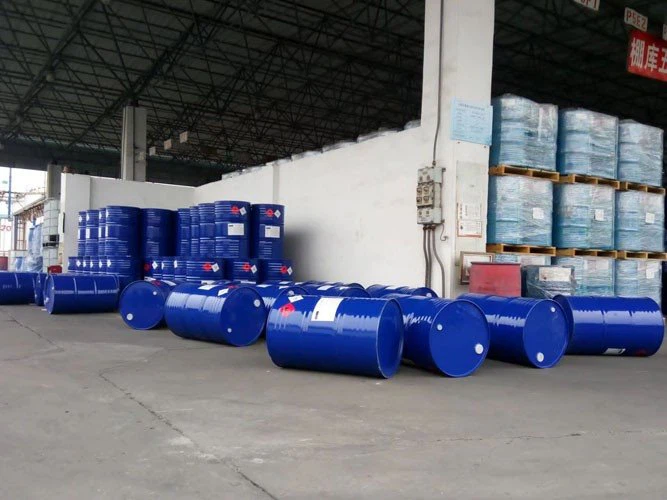
Acrylonitrile


First Aid Measures for Methyl Acrylate


Skin Contact

Take off contaminated clothing immediately and wash skin thoroughly with soap and water.

Eye Contact

Immediately lift eyelids and rinse thoroughly with plenty of running water or saline for at least 15 minutes.

Inhalation

Move quickly to fresh air. Keep your airway open. If breathing is difficult, give oxygen. If breathing stops, perform artificial respiration immediately.

Ingestion

If swallowed by mistake, rinse mouth with water and give milk or egg white to drink.

Fire Extinguishing Methods

Fire extinguishing media: anti-soluble foam, carbon dioxide, dry powder, sand. Water is ineffective in extinguishing fires, but water can be used to keep containers cool in the fire scene.


Company Honor
 

Shandong Kaitai is one of the largest acrylic acid and acrylic ester manufacturers in China. It has obtained the national "Three Systems" qualification certification and is the Shandong Provincial Acrylate Engineering Technology Research Center.

product-1130-248


Our Factory
 

Shadong Kaitai currently has more than 1,000 employees, including more than 100 R&D personnel and 200 personnel with intermediate and senior professional titles.

product-1112-121

Frequently Asked Questions
 

Q: What is methyl acrylate used for?

A: Methyl acrylate is a raw material for applications including acrylic fibers, fiber processing agents, molding resins, adhesives, paints, coatings, and emulsions. Poly(methyl acrylate) is a tacky material near room temperature, and as such it is not particularly useful as a structural material. Commonly, methyl acrylate (and other acrylate esters) are copolymerized with other alkenes to give useful engineering plastics.

Q: Is methyl acrylate safe?

A: Methyl Acrylate may cause a skin allergy. If allergy develops, very low future exposure can cause itching and a skin rash. Prolonged exposure to Methyl Acrylate may cause liver and kidney damage. Methyl Acrylate is a FLAMMABLE and REACTIVE LIQUID and a FIRE and EXPLOSION HAZARD.

Q: Is methyl acrylate alcohol?

A: Methyl acrylate is a colorless, transparent, highly flammable liquid. It is a volatile liquid, slightly soluble in water and completely soluble in alcohol.

Q: Is methyl acrylate corrosive?

A: Although methyl acrylate does not corrode carbon steel, there is a risk of contamination if corrosion does occur. Regulations for the storage of flammable liquids must be observed (explo- sion-proof electrical equipment, vented tanks with flame arresters etc.).

Q: What contains methyl acrylate?

A: Methyl methacrylate is used in the manufacture of plastics with an acrylic resin base. It may be used in the automotive industry coatings and sealants, in leather, paper and textile surface treatments, in acrylate adhesives, and in latex paints, lacquers, and enamel resins.

Q: Why is acrylate toxic?

A: Ethyl acrylate is also toxic to the lungs, liver, kidneys, and gastrointestinal system. Cellular and Neurological Damage: All three chemicals damage cells and the genetic information contained in them. They also stimulate cell death in mouse lymphoma cells.

Q: Is acrylate bad for skin?

A: Acrylates copolymer is safe for use on skin and hair at lower concentrations. At higher concentrations, however, it may cause allergies like irritation. A patch test is recommended prior to full application. Additionally, even though Acrylates copolymer is soluble in water, it is non-biodegradable.

Q: Is methyl acrylate soluble in water?

A: What is Methyl Acrylate (MA)? Clear, colorless, volatile liquid with a slight solubility in water and complete solubility in alcohols, ethers and many organic solvents. Although the monomer can be polymerized under the influence of heat, light, ionic or high energy mechanisms, free radical initiation is the most commonly used method of polymerization.

Q: Is methyl acrylate an acid?

A: Methyl acrylate is an organic compound, more accurately the methyl ester of acrylic acid. It is a colourless liquid with a characteristic acrid odor. It is mainly produced to make acrylate fiber, which is used to weave synthetic carpets.

Q: How do you quench methyl acrylate?

A: In the reaction, the acrylic anhydride and the amine response, add water, add acid, and add alkali to washing, and the organic phase was placed on the organic phase to participate in the production of by -products.

Q: Does acrylic nails have methyl acrylate?

A: MMA (Methyl Methacrylate) is found in some monomers (liquid)used within an acrylic nail enhancement service. Years ago all monomer used for nail enhancements contained MMA. This product is the same product that is used to build and fuse bones within the body and also to build teeth, so it is super strong!

Q: Is methyl acrylate volatile?

A: Methyl acrylate is a volatile (89 hPa at 20°C) liquid under normal environmental conditions. At equilibrium in the environment, methyl acrylate will partition primarily to air (92%) with lesser amounts to water (7.2%), soil (<1%), and sediment (<0.1%).

Q: What is the difference between methyl acrylate and methyl methacrylate?

A: Poly(methyl acrylate) (PMA) and poly(methyl methacrylate) (PMMA) differ significantly in properties. With a Tg of +10 °C, PMA is a soft, tough, rubbery material at room temperature. PMMA, with a Tg of 105 °C (atactic), is a strong, hard, clear plastic material often used as shatter-resistant glassing.

Q: Is methyl acrylate a polymer?

A: Poly(methyl acrylate) (PMA) is a family of organic polymers with the formula (CH 2CHCO 2CH 3)n. It is a synthetic acrylate polymer derived from methyl acrylate monomer. The polymers are colorless. This homopolymer is far less important than copolymers derived from methyl acrylate and other monomers.

Q: Is methyl acrylate a monomer?

A: Methyl methacrylate (MMA) is a monomer that's also known as methacrylic acid, methyl ester. A key building block for acrylic-based polymers, MMA has applications that include safety glazing, exterior paints, vinyl impact modifiers, adhesives, illuminated light displays, and more.

Q: Is methyl methacrylate safe for skin?

A: Health Hazard Summary: The most common effect of overexposure to methyl methacrylate (MMA) is irritation of the skin, eyes, nose, throat, or lungs. MMA can affect the nervous system, causing symptoms similar to drunkenness, but most people will experience irritation first.

Q: What is methyl acrylate polymer used for?

A: Windows, doors, panels, canopies etc., all use polymethyl methacrylate due to its excellent properties such as heat insulation and light transmission. The polymer may also be used in the construction of sinks, baths, knobs or tap tops.

Q: What materials are poly methyl acrylate?

A: Poly(methyl methacrylate) (PMMA) is an amorphous, transparent, and hydrophobic thermoplastic polymer that is very hard and stiff but brittle and notch-sensitive. PMMA, commonly known as "safety glass," is an "acrylate".

Q: What are the differences between poly(methyl acrylate) and poly(methyl methacrylate)?

A: Poly(methyl acrylate) (PMA) and poly(methyl methacrylate) (PMMA) differ significantly in their properties. With a Tg of +10 °C, PMA is a soft, tough, rubbery material at room temperature. PMMA, on the other hand, with a Tg of 105 °C (atactic), is a strong, hard, clear plastic material often used as shatter-resistant glassing.

Q: What are the safety, handling and storage principles for MA?

A: Methyl acrylate hazards include skin sensiti­zation, eye irritation, inhalation, flammability, and the potential for uncontrolled and rapid polymerization. However, the chemical industry has handled MA safely for more than 80 years, and when properly inhibited, MA is stable under the recommended storage conditions.

Q: What are the attributes of methyl acrylate?

A: MA is often used in copolymers to achieve a desired balance of hardness, softness, tack, flexibility, and strength properties. When used as a comonomer in polymerization with other (meth)acrylic and vinyl monomers, MA offers the following attributes in the associated copolymer.

Q: What is the synthesis route of methyl acrylate?

A: Carboxylic acid (2 mmol), alcohol (1 mL), and toluene (1.5 mL) were mixed in a 1 L methanol solution. The mixture was refluxed for a specified time and monitored by thin-layer chromatography (TLC). After the reaction, the mixture was cooled to room temperature, and the upper toluene containing the desired product was separated by filtration. The toluene was evaporated, and the pure product Methyl acrylate was obtained through column chromatography purification. The yield was 91%.

Q: What is the application of methyl acrylate?

A: Methyl acrylate is also used as a resin, adhesive, coating, ion exchange resin, paper sizing agent, textile printing and dyeing auxiliary, leather treatment agent, lubricant additive, crude oil pour point depressant, impregnant for wood and cork, impregnant for motor coil, insulation impregnating material, and plastic emulsion plasticizer, etc. It has a wide range of applications.


Hot Tags: methyl acrylate, China methyl acrylate suppliers, manufacturers, acrylic adhesives, acrylate for copolymer resins, acrylate for recycled polymers, acrylate in building materials, acrylate for polymer recyclability, polyethylene acrylic acid

Send Inquiry

whatsapp

Phone

E-mail

Inquiry