


White Oil Food Grade
Rich Experience:Since established in 2004, we have focused on acrylate products for nearly 20 years and currently have more than 1,000 employees, including more than 100 R&D personnel.
Quality Assurance:We are one of the largest acrylic acid and acrylic ester manufacturers in China. The company has passed ISO9000 international quality certification and ISO 14000 environmental management system certification.
Professional Service:The service staff is online 24 hours a day, responding quickly and paying attention to each buyer's needs. We will try our best to meet the needs of most buyers, and there is no minimum order quantity.
Fast Delivery:Our acrylic acid esters are sold all over the world. The normal delivery time after placing an order is 10-15 days. We can deliver the goods to customers quickly and safely, and have won praise from customers.
White oil is a mineral oil produced by refining, and it differs from the food grade vegetable oils that are often utilized in other circumstances. Vegetable oils often have odor, are unstable and can go rancid. White oil is a mixture of isoparaffins and naphthenics from petroleum sources. You may also see white oil referred to as paraffin since this is the majority component. When crude oil is refined to make fuels, a small part is further refined to mineral oil. If severely refined and hydrotreated, this mineral oil will be purified to white oil.

Related Products
It is used in a wide range of applications, including the manufacture of plastics, coatings, adhesives, and textiles. Additionally, it can be used as a building block for other organic compounds, increasing its usefulness and versatility even further.

Glacial Acrylic Acid (GAA) is a highly versatile chemical compound used in a wide range of industrial applications. It is a clear, colorless liquid with a pungent odor and has a boiling point of 141°C.

Butyl Acrylate has excellent adhesion properties, that is why it is ideal for use in adhesives and coatings. It has high bonding strength, which helps to maintain good adhesion even on challenging surfaces.

Methyl Acrylate is one of the most commonly used acrylate esters. It has been widely used in industry, agriculture, and science, mainly as a raw material for coatings, adhesives, and copolymers.
Acrylonitrile is a critical component in the manufacture of a wide range of consumer and industrial products, from automotive parts and electrical connectors to textiles and outdoor furniture.

White Oil Industrial Grade is an excellent lubricant; it offers excellent film strength and superior lubrication properties. It is used in gear oils, hydraulic oils, compressor oils, and many other lubrication applications.

It is an important ingredient in the synthesis of various pharmaceuticals, such as antibiotics, antipyretic and analgesic drugs, anti-inflammatory drugs, and anti-cancer drugs.

White Oil Food Grade refers to a colorless, odorless, and tasteless mineral oil that is widely used in various industrial and consumer applications. It is specially designed to meet the stringent quality and safety standards of food.
Properties of White Oil
High Purity
White oils contain virtually no impurities and are free of additives, allergens, pesticides and heavy metals.
Chemical Stability
They are chemically stable, colour and oxidation resistant and have a long shelf life.
Temperature Resistance
White oils can be used at high temperatures without evaporating or degrading.
Material Compatibility
Due to its chemical properties, white oil is compatible with many materials - including plastics, elastomers, metals, paints and coatings.
Easy to Remove
White oils are easy to remove and do not cause any residue or contamination on surfaces or textiles.
Benefits of Using White Oil


1.Benefits of Using Food-Grade White Oil in Food Processing
Safety: Food-grade white oils are safe for incidental contact with food products, ensuring consumer safety and meeting regulatory requirements.
Lubrication: These oils offer excellent lubrication properties, helping to reduce friction and wear in food processing machinery, extending the equipment's life.
Compatibility: Food-grade white oils are compatible with a wide range of materials, including plastics and elastomers, making them suitable for use in various types of food processing equipment.
Stability: These oils have good thermal and oxidative stability, which helps to maintain their performance and minimize the formation of deposits in machinery over time.
Water resistance: Food-grade white oils are hydrophobic, meaning they do not readily mix with water. This property makes them suitable for use in wet environments and helps to protect machinery from corrosion.
2.Benefits of Cosmetic Grade White Oil in Skincare
Moisturizing: It locks in moisture, keeping the skin hydrated.
Non-comedogenic: It doesn't clog pores, making it suitable for all skin types.
Odorless and Tasteless: Ideal for products where the fragrance of other ingredients needs to stand out.
Stable: Doesn't react with other ingredients, ensuring the stability of the product.
Technical Grade of White Oil
Cosmetic Grade White Mineral Oil
Cosmetic products are manufactured worldwide hence the demand of cosmetic grade white mineral oil is global. It does not matter what kind of product the cosmetic industry is making, if they require cosmetic grade mineral oil, we are there.
White Mineral Oil Technical Grade
White Mineral Oil Technical Grade is among the most versatile petroleum products derived from base oils. Because of their high purity, these oils must preferred where only highly refined products are suitable for specific viscosity requirements to develop the exact required product, This is mainly required in plastics industry, Electric Industry, Cable Manufacturing, Automotive Floor Production, House Hold Products, Wine bottle Cork manufacturing etc.
Light and Heavy Technical Grade White Mineral Oil
Light Technical grade white oil is widely used in textile manufacturing, furniture polish solution making, insecticides, fiber emulsion and silicon oils. Heavy technical white oil is used in hot melt, as a plasticizer, jelly compound making, paint stripper, and manufacturing of various types of plastic products in plastic industry.

Industry Application of White Oil
Cosmetics
Pharmaceutical white mineral oils are used in the cosmetics industry to form the basis of many widely used product formulations, including skin care cream, cleaning cream, beauty lotion, baby oil and hair care products.

Drug Industry
Pharmaceutical white mineral oils are used as internal lubricants for laxative applications in the pharmaceutical industry. In addition, these products are used as bases for ointments and creams, as carriers for solid and semi-solid ingredients and additionally used as a separator on capsules and tablets.
Textiles
White mineral oils are used in a variety of applications in the textile industry ranging from fibre lubricant, sewing machine oil and yarn lubrication oil.


Chemicals
White Mineral Oils are used in the chemicals sector, particularly in adhesives, hot-melts, the paper industry and in the production of leather and explosives.
Agriculture
Due to its low toxicity and non-harmful properties making it safe to use with regards to the environment and human health, white mineral oils are used in the production of spray oils to treat and protect fruit trees.

Plastics & Rubber
White mineral oils are used extensively in the plastics and rubber industry to produce different types of plastics and rubber applications. Used to control the melt flow rate of input products for Polystyrene (PS), high impact resistance polystyrene (HIPS), polyolefin and thermoplastic elastomer, White mineral oils are also used as internal and external lubricant in polymer formulations of PS, PVC, PP, TPE.
Precautions for Handling and Storage
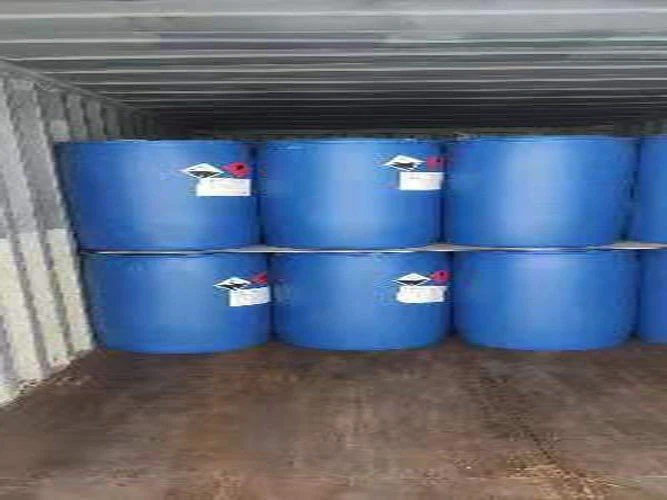
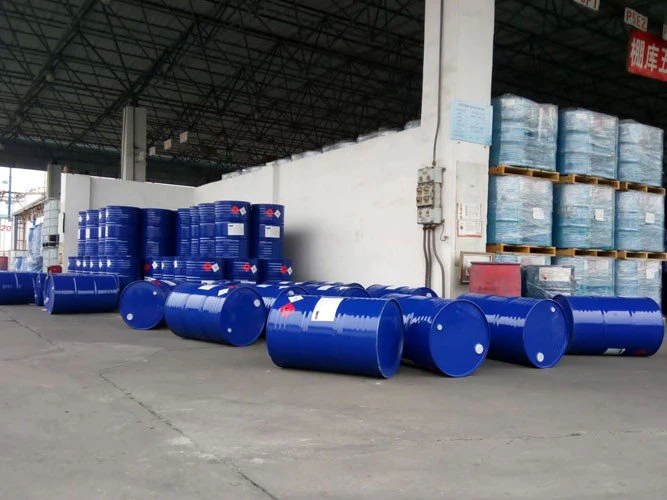
- Oil products should be stored independently and no flammable products should be placed around them.
- Fireworks are strictly prohibited, and fire is not allowed into the oil depot.
- Flammable special oils or chemical solvents should be stored separately and placed with flammable signs.
- Do not place it upright in the open air to prevent contamination from moisture and debris.
- Indoor storage can be placed upright with the barrel facing upward for easy extraction.
- Tighten the sealing cap to keep the oil drum sealed.
- New oil and waste oil should be placed separately. Containers that have been filled with waste oil should not be filled with new oil to prevent contamination.
Company Honor
Shandong Kaitai is one of the largest acrylic acid and acrylic ester manufacturers in China. It has obtained the national "Three Systems" qualification certification and is the Shandong Provincial Acrylate Engineering Technology Research Center.

Our Factory
Shadong Kaitai currently has more than 1,000 employees, including more than 100 R&D personnel and 200 personnel with intermediate and senior professional titles.

Frequently Asked Questions
Hot Tags: white oil food grade, China white oil food grade suppliers, manufacturers, white oil mineral oil, white oil lubricant, white rock oil gas, Industrial Grade mineral oil, class II hydrogenation industrial white oil, white oil for skin
Previous
White Oil Industrial GradeYou Might Also Like


Send Inquiry