

Hey there! As a supplier of methyl cyanide, I've spent a lot of time diving into the world of cyanides. One question that often pops up is, "What are the similarities between methyl cyanide and other cyanides?" Well, let's dig in and find out.
First off, let's talk about the basic chemical structure. Cyanides, in general, are compounds that contain the cyanide group (-CN). Methyl cyanide, also known as acetonitrile, has the chemical formula CH₃CN. The -CN group is what gives cyanides their characteristic properties, and it's present in methyl cyanide just like in other cyanides.
One of the most significant similarities is the toxicity. Cyanides are well - known for being highly toxic substances. Methyl cyanide is no exception. When cyanide compounds enter the body, they can interfere with the body's ability to use oxygen at the cellular level. They do this by binding to the enzyme cytochrome c oxidase in the mitochondria, which is a crucial part of the cell's energy - producing process. This binding disrupts the electron transport chain, preventing cells from using oxygen effectively. As a result, cells start to die, and it can lead to serious health problems, including respiratory failure and even death.
In terms of chemical reactivity, cyanides tend to be quite reactive. Methyl cyanide can undergo a variety of chemical reactions similar to other cyanides. For example, it can participate in nucleophilic substitution reactions. The cyanide group in methyl cyanide can act as a nucleophile, attacking electrophilic centers in other molecules. This reactivity makes cyanides useful in many industrial processes.
Many cyanides, including methyl cyanide, are used as solvents. They have the ability to dissolve a wide range of organic and inorganic compounds. Methyl cyanide is a popular solvent in the pharmaceutical and chemical industries. It has a relatively low boiling point and is miscible with water and many organic solvents. This makes it a great choice for reactions that require a homogeneous reaction medium. Other cyanides also share this solvent property to some extent, although the specific solubility and compatibility with different substances may vary.
Another similarity lies in their applications in organic synthesis. Cyanides are often used as building blocks in the synthesis of more complex organic molecules. Methyl cyanide can be used to introduce the cyanide group into a molecule, which can then be further modified through various chemical reactions. For instance, it can be used in the synthesis of nitriles, which are important intermediates in the production of pharmaceuticals, agrochemicals, and polymers. Other cyanides are also widely used in similar synthetic pathways.

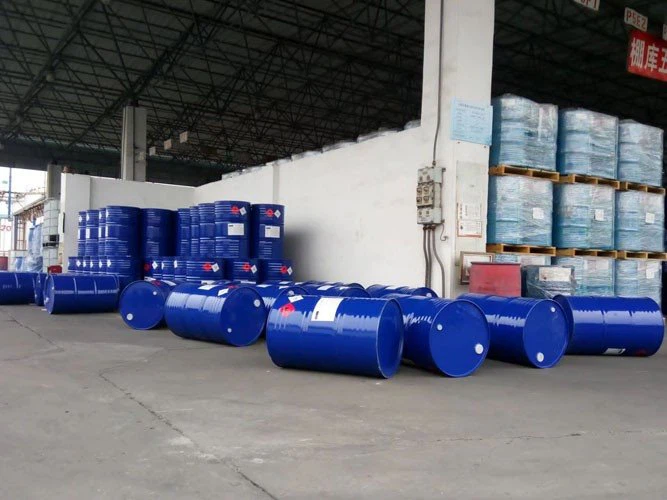
Now, let's talk about some related compounds. One of the well - known cyanide - containing compounds is Acrylonitrile. Acrylonitrile has the chemical formula CH₂=CHCN. It shares the cyanide group with methyl cyanide, and this gives them some common properties. Like methyl cyanide, acrylonitrile is toxic and reactive. It's used in the production of synthetic fibers, plastics, and rubber. If you're interested in acrylonitrile, you can check out more about its production at Acrylonitrile Factory or find a reliable Acrylonitrile Supplier.
In the industrial setting, the handling and storage of methyl cyanide and other cyanides follow similar safety protocols. Due to their toxicity, proper ventilation is essential when working with cyanides. Workers need to wear appropriate personal protective equipment, such as gloves, goggles, and respirators. Storage areas should be well - ventilated, away from heat sources, and in containers that are resistant to corrosion.
When it comes to environmental impact, cyanides, including methyl cyanide, can be harmful to the environment. If released into water bodies, they can be toxic to aquatic life. The cyanide ions can disrupt the normal metabolic processes of fish and other aquatic organisms. Therefore, industries that use cyanides need to have proper waste treatment systems in place to prevent their release into the environment.
In the field of analytical chemistry, cyanides can be detected and quantified using similar methods. For example, spectrophotometric methods can be used to measure the concentration of cyanide in a sample. These methods rely on the characteristic absorption of light by the cyanide group. Methyl cyanide and other cyanides can be analyzed using these techniques, allowing for accurate determination of their presence and quantity.
So, as you can see, methyl cyanide shares many similarities with other cyanides in terms of chemical structure, toxicity, reactivity, applications, and handling. Whether you're in the pharmaceutical industry, chemical synthesis, or any other field that uses cyanides, understanding these similarities is crucial for safe and effective use.
If you're in the market for methyl cyanide or have any questions about it, don't hesitate to reach out. I'm here to help you with your procurement needs and can provide you with high - quality methyl cyanide at competitive prices. Let's start a conversation and see how we can work together!
References
- Chemistry textbooks on organic and inorganic chemistry
- Industrial safety guidelines related to cyanide handling
- Research papers on the applications of cyanides in various industries


