

Hey there! As an acrylonitrile supplier, I often get asked about the occupational exposure limits for acrylonitrile. It's a super important topic, especially for those working in industries where acrylonitrile is used. So, let's dive right in and break it down.
What is Acrylonitrile?
Before we get into the exposure limits, let's quickly go over what acrylonitrile is. Acrylonitrile is a colorless volatile liquid with a pungent odor. It's a key industrial chemical used in the production of a wide range of products, including plastics, synthetic rubber, and textiles. You can find more detailed information about it on our Acrylonitrile page.
Why Are Occupational Exposure Limits Important?
Occupational exposure limits (OELs) are set to protect workers from the harmful effects of chemicals in the workplace. Acrylonitrile is known to be toxic, and prolonged or high - level exposure can lead to a variety of health problems, such as headaches, dizziness, nausea, and in severe cases, even cancer. By adhering to these limits, companies can ensure the safety and well - being of their employees.
Different Types of Occupational Exposure Limits
There are generally two main types of OELs for acrylonitrile:
Time - Weighted Average (TWA)
The TWA is the average exposure over a typical workday or workweek. For acrylonitrile, the TWA set by most regulatory bodies is around 2 ppm (parts per million). This means that over an 8 - hour workday, the average concentration of acrylonitrile in the air a worker is exposed to should not exceed 2 ppm.
This limit is based on extensive research on the long - term effects of acrylonitrile exposure. Chronic exposure to levels above the TWA can increase the risk of developing health issues over time. For example, workers in factories where acrylonitrile is produced or used in large quantities need to have their exposure monitored regularly to make sure it stays within this limit. You can learn more about our acrylonitrile production on our Acrylonitrile factory page.
Short - Term Exposure Limit (STEL)
The STEL is the maximum exposure a worker can have over a short period, usually 15 minutes. For acrylonitrile, the STEL is often set at around 10 ppm. This is to prevent sudden, high - level exposures that can cause immediate health problems, like eye and respiratory irritation.
Even if the TWA is within the acceptable range, a short, intense exposure above the STEL can still be harmful. For instance, if there's a spill or a leak in a workplace, the concentration of acrylonitrile in the air can spike quickly. Workers need to be immediately removed from the area if the STEL is exceeded.
How Are These Limits Enforced?
Regulatory agencies around the world, like the Occupational Safety and Health Administration (OSHA) in the United States, play a crucial role in enforcing these limits. They conduct inspections at workplaces where acrylonitrile is used and ensure that companies are following the regulations.
Companies are required to measure the acrylonitrile levels in the workplace regularly. This can be done using specialized air - sampling equipment. Workers also need to be provided with appropriate personal protective equipment (PPE), such as respirators and gloves, to reduce their exposure.
Factors Affecting Exposure
Several factors can affect a worker's exposure to acrylonitrile.

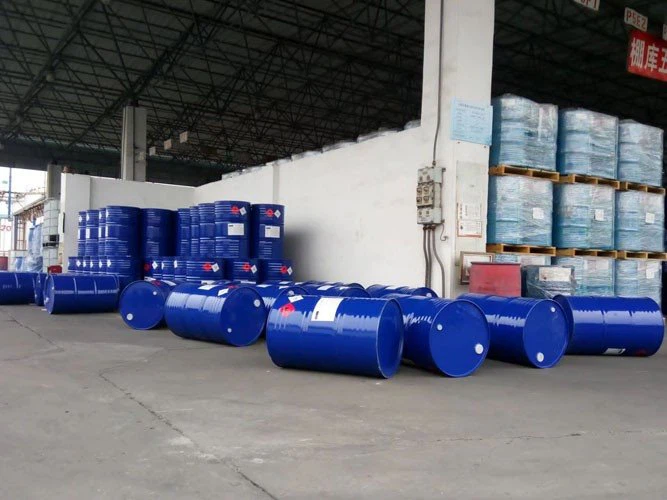
Work Process
The way acrylonitrile is used in a specific work process can significantly impact exposure levels. For example, in a polymerization process where acrylonitrile is converted into plastic, there may be more opportunities for the chemical to be released into the air if the equipment is not properly sealed.
Ventilation
Good ventilation is essential in reducing acrylonitrile exposure. A well - ventilated workplace can quickly remove the chemical from the air, keeping the concentration below the OELs. In contrast, a poorly ventilated area can lead to a build - up of acrylonitrile, increasing the risk of over - exposure.
Personal Hygiene
Workers' personal hygiene also plays a role. For example, if a worker doesn't wash their hands properly after handling acrylonitrile, they can inadvertently ingest the chemical when they eat or touch their face.
Our Role as an Acrylonitrile Supplier
As an acrylonitrile supplier, we're committed to providing high - quality acrylonitrile while also ensuring that our customers are well - informed about its safe use. We offer detailed safety data sheets (SDS) that include information about the OELs, handling procedures, and emergency response measures. You can find out more about our supply services on our Acrylonitrile page.
We also work closely with our customers to understand their specific needs and provide them with the right advice on how to manage acrylonitrile safely. Whether it's helping them set up proper ventilation systems or recommending the best PPE, we're here to support them every step of the way.
Contact Us for Your Acrylonitrile Needs
If you're in the market for acrylonitrile and want a reliable supplier who understands the importance of safety, we're the ones to call. We can offer you competitive prices, high - quality products, and excellent customer service. Don't hesitate to reach out to us to discuss your requirements and get a quote. We're always happy to have a chat and see how we can help you with your acrylonitrile procurement.
References
- Occupational Safety and Health Administration (OSHA). "Acrylonitrile Standards."
- World Health Organization (WHO). "Toxicological Profile for Acrylonitrile."
- International Labour Organization (ILO). "Guidelines on Occupational Exposure Limits for Chemicals."
